Walking Safaris in Satpura National Park: What You Should Know

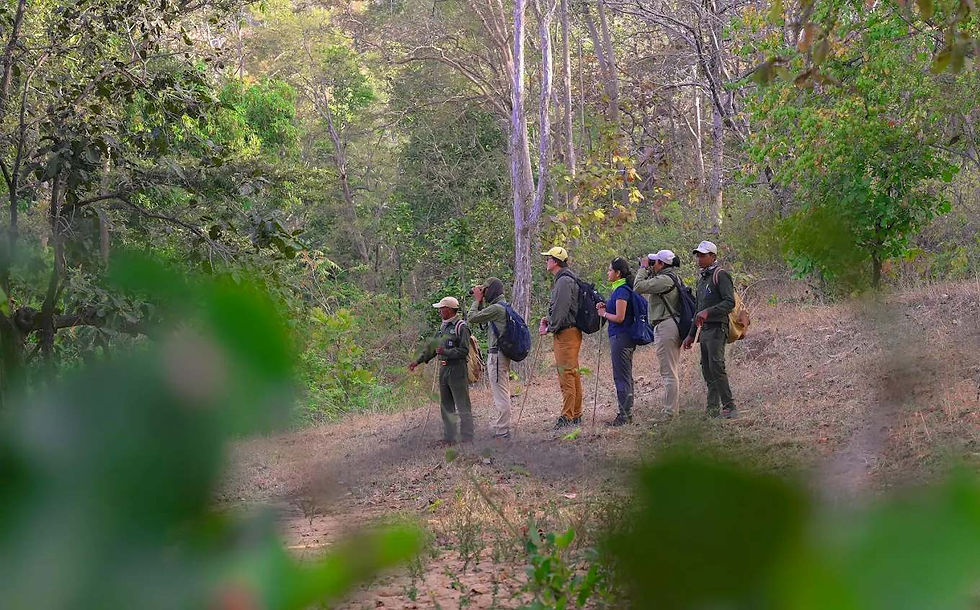
Walking through the forest, listening to bird calls, noticing animal tracks on soft soil, and feeling truly connected to nature — this is what Walking Safaris in Satpura are all about. Unlike jeep safaris, a walking safari allows you to explore the jungle at a slow and meaningful pace. It is one of the most immersive ways to experience wildlife in its natural habitat.
Located in the heart of central India, Satpura National Park offers one of the rarest opportunities in the country to enjoy guided walking safaris inside a protected forest. This guide explains everything you should know before planning your walking safari, from safety and wildlife sightings to the best time to visit and what to expect.
What are Walking Safaris in Satpura?
Walking safaris are guided nature walks conducted inside designated forest zones. In Walking Safaris in Satpura, visitors explore the jungle on foot under the supervision of trained forest guides and naturalists. These walks focus more on understanding the ecosystem rather than chasing big wildlife sightings.
Instead of rushing through the forest in a vehicle, you move quietly, observe small details, and learn how the jungle truly functions. This experience brings you closer to nature in a calm, respectful way.
Why Choose Walking Safaris in Satpura?
A Deeper Connection With Nature
Walking safaris allow you to feel the forest beneath your feet. You notice leaf patterns, insects, animal footprints, and forest smells that are often missed during jeep safaris.
Peaceful and Less Crowded
Satpura National Park is known for its quiet and untouched surroundings. Walking safaris here are conducted with small groups, making the experience peaceful and personal.
Learn From Expert Guides
Every walking safari is led by trained guides who explain animal behavior, plant life, and forest survival techniques. This makes Walking Safaris in Satpura educational as well as adventurous.
Wildlife You May See During Walking Safaris
Common Wildlife Sightings
While walking safaris are not focused on spotting large predators, you may encounter:
Spotted deer
Sambar deer
Nilgai
Wild boar
Langurs and monkeys
Birdwatching Opportunities
Satpura is a paradise for bird lovers. During Walking Safaris in Satpura, you may spot:
Indian rollers
Paradise flycatchers
Hornbills
Kingfishers
Woodpeckers
Small Creatures and Forest Life
One of the highlights of walking safaris is observing:
Butterflies and insects
Reptiles like lizards and turtles
Termite mounds and ant trails
Is It Safe to Go on Walking Safaris in Satpura?
Safety Measures Followed
Yes, Walking Safaris in Satpura are safe when conducted properly. Safety is taken very seriously:
Walks are allowed only in specific zones
Armed forest guards accompany every group
Group sizes are kept small
Routes are planned carefully based on animal movement
Who Can Participate?
Walking safaris are suitable for:
Adults with basic fitness
Nature lovers and photographers
Travelers looking for unique wildlife experiences
They are generally not recommended for very young children or people with serious medical conditions.
Best Time for Walking Safaris in Satpura National Park
Ideal Season
The best time to enjoy Walking Safaris in Satpura is from October to March. During these months:
Weather is pleasant
Forest visibility is good
Wildlife activity is higher
Summer Walks
In early summer, walking safaris may still be available during cooler morning hours. However, temperatures can rise quickly, so hydration and sun protection are essential.
Many travelers plan their walking safari experience by staying close to the forest, and choosing peaceful resorts in Madhai helps them reach safari points easily while enjoying the calm surroundings of Satpura National Park.
What to Expect During a Walking Safari
Duration and Distance
A typical walking safari lasts between 2 to 3 hours. The walking pace is slow, with frequent stops for observation and explanation.
Terrain and Difficulty
The terrain includes forest trails, gentle slopes, and dry riverbeds. No technical trekking is involved, making Walking Safaris in Satpura suitable for beginners.
What to Wear and Carry
Clothing Tips
Neutral-colored clothes (green, brown, beige)
Full-sleeve shirts and full pants
Comfortable walking shoes
Essential Items
Water bottle
Hat or cap
Sunscreen
Binoculars
Camera (without loud sounds)
Avoid bright colors and strong perfumes, as they may disturb wildlife.
Rules You Must Follow During Walking Safaris
Do’s
Follow guide instructions strictly
Maintain silence
Stay in the group
Respect wildlife and nature
Don’ts
Do not litter
Do not feed animals
Do not wander alone
Do not use flash photography
These rules ensure both your safety and the protection of Satpura National Park.
How Walking Safaris Support Conservation
Responsible Tourism
Walking Safaris in Satpura promote low-impact tourism. Since walking safaris create minimal noise and pollution, they help preserve the forest ecosystem.
Local Employment
Local guides, trackers, and forest staff benefit directly from these safaris, encouraging community involvement in wildlife conservation.
Walking Safaris vs Jeep Safaris
Walking Safaris
Focus on learning and observation
Quiet and immersive
Ideal for nature enthusiasts
Jeep Safaris
Cover larger areas
Better chances of spotting big animals
Faster and more popular
Many travelers prefer combining both for a complete Satpura National Park experience.
Conclusion: Is a Walking Safari in Satpura Worth It?
Absolutely. Walking Safaris in Satpura offer a rare chance to experience the jungle in its purest form. They are calm, educational, and deeply rewarding. Walking through ancient forests, understanding wildlife behavior, and feeling the rhythm of nature creates memories that last a lifetime.
If you are someone who values silence, learning, and authentic wildlife experiences, a walking safari in Satpura National Park is something you should not miss. It is not just a walk in the forest — it is a journey into the heart of nature.


Comments